Oil Companies, ESG Compliance, and the Financial Sector through the Eyes of Host Communities
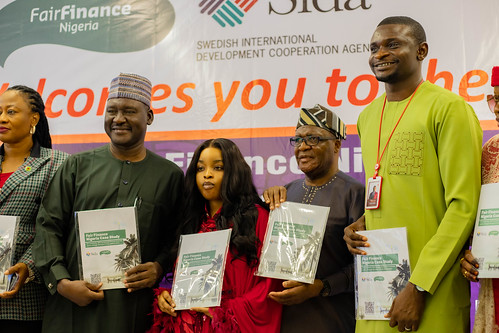
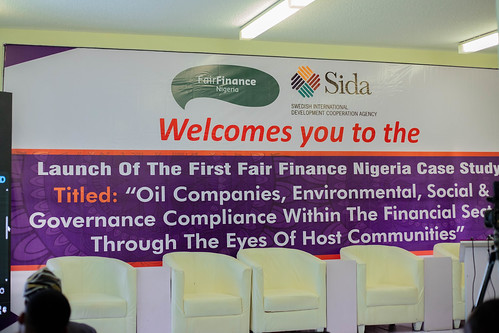
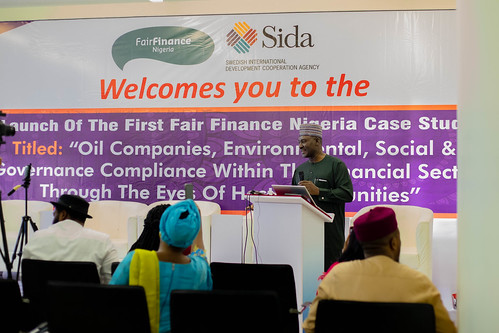
Policy Alert, alongside partners in the Fair Finance Nigeria (FFNG) coalition, has launched a groundbreaking case study that sheds light on the realities of oil extraction and corporate accountability in Nigeria’s Niger Delta.
The report, titled “Oil Companies, ESG Compliance and the Financial Sector through the Eyes of Host Communities,” amplifies the voices of communities in Akwa Ibom and Bayelsa states, exposing the human and environmental toll of oil operations. It highlights the deep disconnect between the massive profits of oil companies and the financial support they enjoy from banks on one hand, and the persistent hardship of host communities on the other.
About the Initiative
Fair Finance Nigeria is the Nigerian chapter of the Fair Finance International (FFI) network, a global effort to strengthen responsible investment policies and practices across the financial sector. By benchmarking financial institutions against international standards on human rights, climate, and ESG, FFNG pushes for transparency, accountability, and a “race to the top” in sustainable finance.
The coalition includes:
- Policy Alert
- Civil Society Legislative Advocacy Center (CISLAC)
- Connected Development (CODE)
- Oxfam in Nigeria
- BudgIT
- Steps to Sustainable Transformation and Empowerment Foundation (STEPS)
This research was supported by the Swedish International Development Agency (Sida).
Key Findings
The study documents urgent community concerns, including:
- Health and Livelihoods: Rising cases of cancer, respiratory illnesses, and biodiversity loss linked to gas flaring, oil spills, and deforestation.
- Environmental and Social Damage: Contaminated water, destroyed farmland, and degraded ecosystems undermining food security.
- Oil Theft and Security Complicity: Sophisticated oil theft operations often driven by outsiders, with troubling collusion from security forces.
- Weak Accountability: Community grievances are frequently dismissed unless expressed through protests, while International Oil Companies (IOCs) exert undue influence over Host Community Development Trusts (HCDTs).
Spotlight on the PIA
The case study scrutinizes the Petroleum Industry Act (PIA) of 2021 and its provision for Host Communities Development Trusts (HCDTs). While designed to channel a share of oil company operational expenditure into community development, many projects remain poorly executed, abandoned, or compromised by corruption. Communities also allege that IOCs cite “sabotage” as a pretext for avoiding compensation.
Recommendations
The report calls for:
- Stronger ESG compliance and enhanced disclosure by oil companies.
- Stricter investment policies from banks and investors to prevent financing of harmful practices.
- A reformed implementation of the PIA that reduces company interference in HCDTs.Community-led accountability frameworks to ensure transparent use of funds.
- Collaborative approaches to curb oil theft and mitigate spillage.
Why It Matters
This case study underscores the urgent need for greater transparency, accountability, and inclusive governance in Nigeria’s extractive sector. It calls on financial institutions, oil companies, government regulators, and communities themselves to take bold steps towards a just and sustainable future.